Metluma

MAY: Sleep, Memory, Mood and Dementia Risk

MAY: Sleep, Memory, Mood and Dementia Risk

May 2026

Protecting Your Brain in Peri‑/Menopause: Sleep, Memory, Mood and Dementia Risk 
A live, no‑hype AMA on what really happens to your brain in peri‑/menopause – from memory slips and brain fog to sleep and mood changes – and what you can actually do to protect your long‑term brain health. 
As oestrogen and progesterone fluctuate and decline in midlife, many women notice changes in thinking and mood: forgetfulness, concentration issues, feeling “foggy,” poorer sleep, and a sense that their brain just isn’t firing the way it used to. At the same time, many worry these changes might be early dementia and are unsure when to seek help or what tests and treatments are actually worth pursuing. 
This AMA will unpack the menopause–brain connection, what we know (and do not yet know) about hormones, sleep and dementia risk, and the practical changes that actually move the needle – without fear‑mongering, perfectionism or over‑testing. 

What you’ll learn:

  • How peri‑/menopause hormones affect memory, thinking, mood and sleep – and what’s “typical” brain fog versus a red flag. 
  • What we know so far about menopause hormone therapy (MHT), oestrogen and dementia risk – including timing, limitations of the evidence, and how to think about benefit versus risk with your doctor. 
  • Why sleep is a core pillar of brain health (alongside movement and nutrition), what good vs “bad” sleep really looks like, and how changes in sleep in midlife can affect your brain over time. 
  • Practical, realistic ways to support brain health in midlife 

We’ll be joined by:

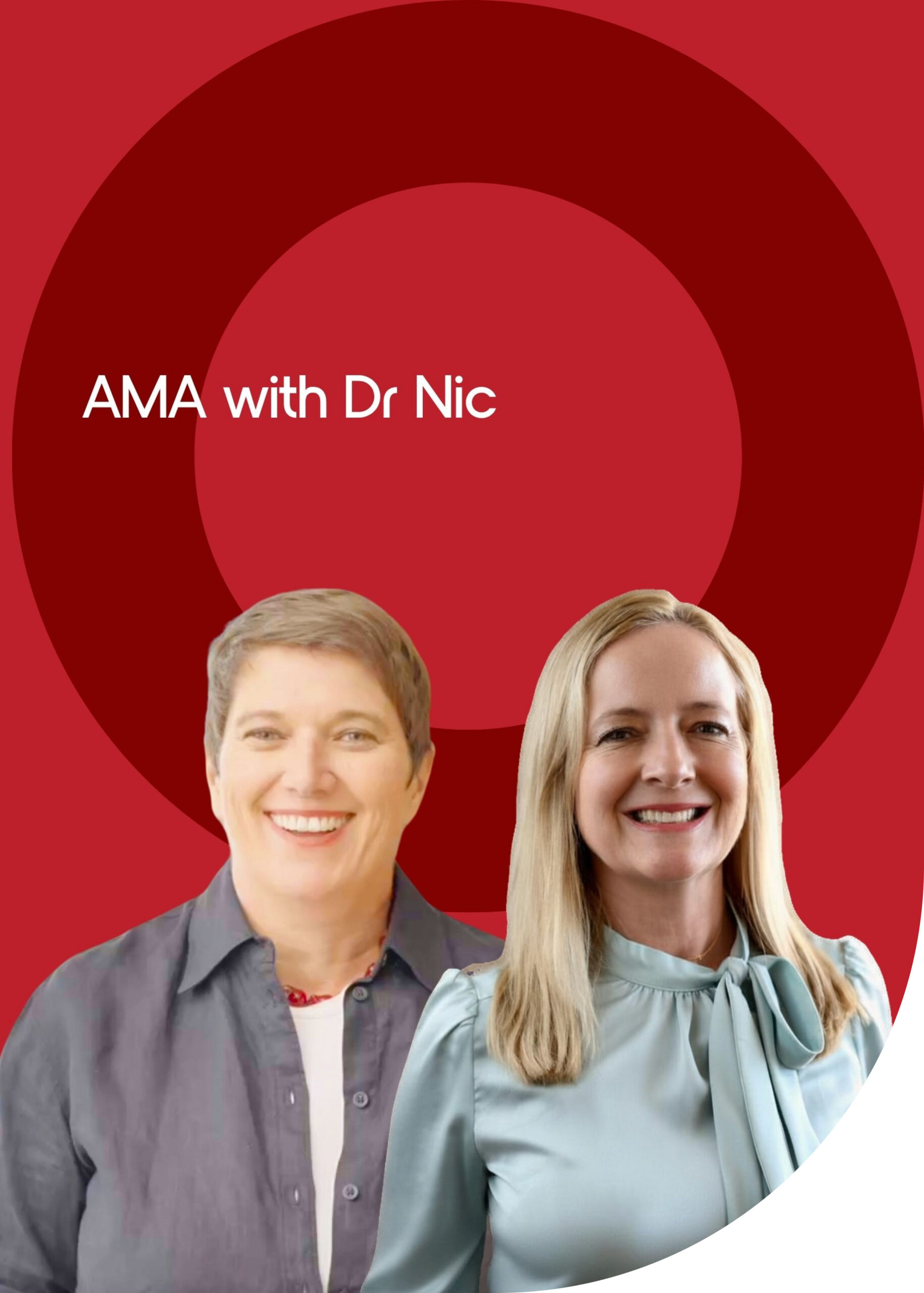
  • Dr Nic Avard, Co-Founder & Chief Medical Officer of Metluma 
  • Professor Sharon Naismith (AM FASSA), Clinicial Neuropsychologist, University of Sydney  

Expect to cut through the noise on brain health, menopause, sleep and dementia so you can understand what is happening in your brain, get clear on which tests and treatments are actually useful, and make informed, personalised decisions with your healthcare team.